Discover the Best Hidden Gems in Southeast Asia 2026: Off-the-Beaten-Path Destinations You Can’t Miss
Introduction: Why Explore Southeast Asia’s Hidden Gems in 2026?
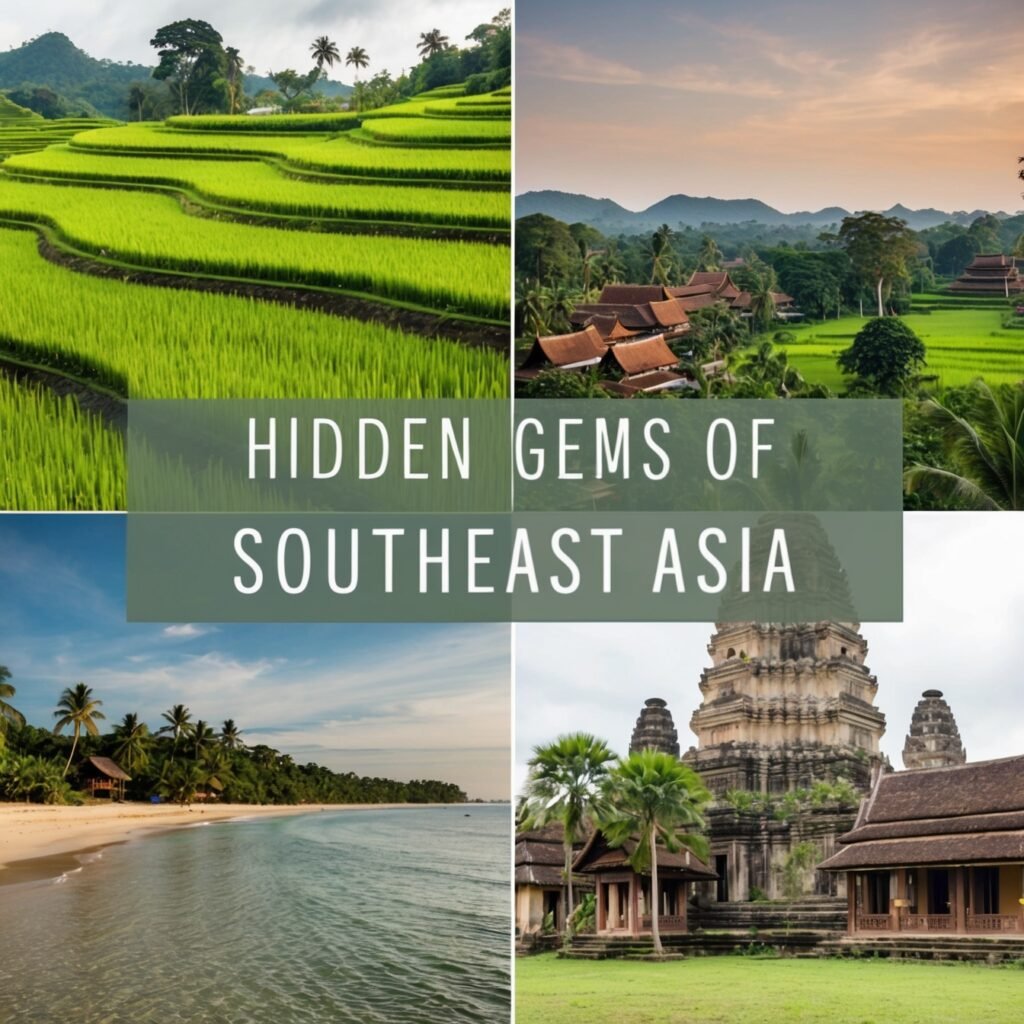
Southeast Asia continues to captivate travelers with its vibrant cultures, stunning landscapes, and rich history. While iconic spots like Bali, Bangkok, and Halong Bay remain popular, the savvy traveler in 2026 is seeking lesser-known destinations that offer authenticity, fewer crowds, and unique experiences. This year, hidden gems across the region are finally emerging from obscurity, blending untouched natural beauty with vibrant local traditions. Whether you’re craving serene beaches, lush jungles, or ancient villages, our guide highlights the best hidden gems in Southeast Asia for 2026.
1. Con Dao Islands, Vietnam: Pristine Beaches and Rich History
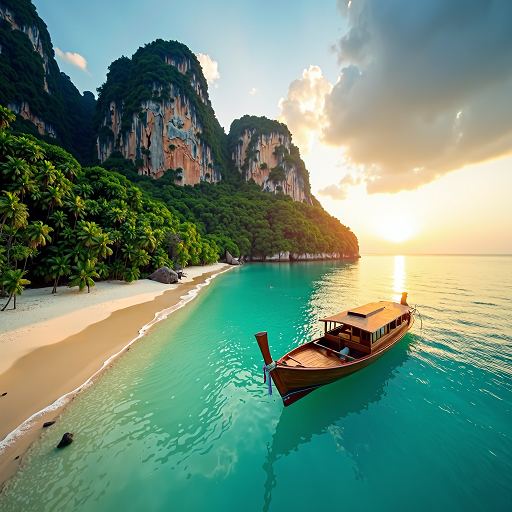
Off Vietnam’s southern coast lies the Con Dao archipelago, a chain of 16 islands often overlooked by travelers. Known for crystal-clear waters, white sandy beaches, and coral reefs, Con Dao is a paradise for snorkeling, diving, and eco-tourism enthusiasts.
Why Visit in 2026?
Recent infrastructure improvements, including upgraded ferry services and boutique resorts, have made Con Dao more accessible without compromising its natural charm. Conservation efforts have stabilized endangered marine species populations, making snorkeling an unforgettable experience.
Practical Tips
- Best time to visit: March to May for dry weather and calm seas.
- Getting there: Direct flights from Ho Chi Minh City or a ferry ride from Vung Tau.
- Must-do: Visit the Con Dao National Park and the historical prison sites for a mix of nature and history.
2. Banlung, Cambodia: Gateway to the Ratanakiri Highlands
Banlung, the capital of Cambodia’s Ratanakiri province, is a refreshing change from the crowded temples of Siem Reap. This remote town is surrounded by volcanic lakes, dense forests, and indigenous hill-tribes preserving their ancient customs.
What Makes Banlung Special?
In 2026, Banlung’s eco-tourism initiatives have gained momentum, promoting responsible travel experiences. The nearby Yeak Laom Lake, a crater lake with crystal-clear waters, is perfect for swimming and hiking. Adventurous travelers can explore waterfalls like Katieng or engage with local indigenous communities through guided cultural tours.
Travel Tips
- Best season: November to February for cooler temperatures.
- Access: Regular buses from Phnom Penh or flights into Banlung Airport.
- Stay: Eco-lodges that support community initiatives.
3. Mergui Archipelago, Myanmar: Untouched Island Paradise
The Mergui Archipelago is a cluster of over 800 islands in the Andaman Sea, Myanmar’s last great frontier for island exploration. This remote region is characterized by untouched beaches, dense jungles, and vibrant underwater ecosystems.
Why 2026 is the Year to Visit
With Myanmar increasingly opening up for sustainable tourism, the Mergui Archipelago is drawing eco-conscious travelers eager to experience unspoiled nature. Local Karen and Moken sea gypsy communities offer cultural immersion through homestays and boat tours. Permits are now streamlined for international visitors, making access easier.
Expert Insight
Marine biologists highlight the archipelago’s coral reefs as one of the last healthy reef systems in Southeast Asia, ideal for divers and snorkelers seeking pristine underwater environments.
Tips for Travelers
- Best months: December to April for dry weather and calm seas.
- How to get there: Fly into Kawthaung, then take a boat to various islands.
- Accommodation: Basic island bungalows and eco-resorts.
4. Sapa’s Hidden Valleys, Northern Vietnam: Beyond the Tourist Trail
While Sapa is no longer unknown, its surrounding remote valleys offer hidden treasures far from crowded markets and trekking routes. In 2026, trekking tours now include lesser-visited villages like Sin Chai and Ta Phin, where authentic ethnic minority cultures thrive.
Why Explore These Valleys?
These offbeat routes provide an immersive experience into traditional farming, intricate handicrafts, and community-run homestays. Sustainable tourism initiatives ensure that your visit supports local economies and preserves cultural heritage.
Travel Advice
- Visit from March to September for lush green landscapes.
- Hire local guides through certified community tourism groups.
- Pack layers; mountain weather can be unpredictable.
5. Togean Islands, Indonesia: Remote Marine Wilderness
Hidden in the Gulf of Tomini, Central Sulawesi, the Togean Islands remain largely untouched by mass tourism. This archipelago boasts diverse marine life, pristine coral reefs, and traditional Bajau sea nomads who have called these waters home for generations.
What’s New in 2026?
Recent investments in eco-resorts powered by renewable energy aim to maintain the islands’ ecological balance. Marine conservation programs have helped revive endangered species like the dugong and hawksbill turtles.
Practical Info
- Best months: June to October avoiding rainy season.
- Access: From Ampana by boat, taking 2-4 hours depending on the island.
- Activities: Diving, snorkeling, cultural village visits.
6. Bukit Tinggi, Malaysia: Colonial Charm Meets Indigenous Culture
Located in the state of Negeri Sembilan, Bukit Tinggi is a lesser-known hill town featuring French-themed architecture alongside Minangkabau indigenous culture. Cooler highland climate and charming villages make it a refreshing escape in 2026.
Why Visit?
New boutique hotels and gourmet farm-to-table dining options have transformed Bukit Tinggi into an emerging culinary and cultural destination. The nearby Berjaya Hills Jungle Trail offers excellent opportunities for nature walks and bird watching.
Visitor Tips
- Visit year-round due to temperate weather.
- Best explored by renting a car for flexibility.
- Try local Minangkabau dishes such as Rendang and Lemang.
7. Siargao’s Neighboring Islands, Philippines: Beyond the Surf
Siargao is famous for surfing, but its neighboring islands such as Bucas Grande and Sohoton Cove offer spectacular hidden lagoons, caves, and biodiversity hotspots largely untouched by crowds.
Highlights for 2026
Eco-tour operators have introduced low-impact tours focusing on marine conservation and community benefit. Kayaking through limestone caves, swimming in jellyfish sanctuaries, and visiting untouched coral gardens are top experiences.
Travel Tips
- Peak season: March to June for calm seas.
- Getting there: Boats from Siargao daily; book with certified guides.
- Stay in eco-friendly homestays to support local livelihoods.
Expert Insights on Traveling Southeast Asia’s Hidden Gems
According to Dr. Lina Tran, a Southeast Asia travel specialist, “2026 marks a turning point where responsible travel and sustainable tourism policies are reshaping how travelers experience hidden destinations. Supporting local businesses, respecting cultural practices, and choosing eco-conscious accommodations are essential.”
Data from the Southeast Asia Tourism Board shows a 35% increase in visits to secondary destinations compared to five years ago, reflecting growing interest in hidden gems and authentic experiences.
Conclusion: Embrace Adventure and Authenticity in 2026
Exploring Southeast Asia’s hidden gems in 2026 offers a chance to discover the region’s untouched beauty and rich cultural tapestry away from the crowds. From remote island paradises to highland villages steeped in tradition, these destinations promise unique experiences for travelers who crave authenticity, sustainability, and adventure. Plan thoughtfully, embrace local customs, and support conservation efforts to make your journey rewarding and responsible.