How to Plan the Ultimate 2026 Road Trip Across Europe: A Complete Guide
Introduction: Why a European Road Trip in 2026?
Europe is the quintessential destination for a road trip, thanks to its diverse landscapes, rich history, vibrant cultures, and modern infrastructure. In 2026, with travel becoming more seamless and eco-friendly options expanding, hitting the open road across European countries offers an unmatched blend of adventure and convenience. Whether you’re a seasoned traveler or a first-timer, planning a road trip across Europe lets you explore hidden gems, savor local cuisines, and experience the continent’s pulse at your own pace.
This guide will walk you through everything you need to know to craft the perfect 2026 European road trip — from route planning and vehicle choices to budget tips and tech tools.
1. Choosing Your Route: The Backbone of Your Trip
Popular Road Trip Routes in Europe 2026
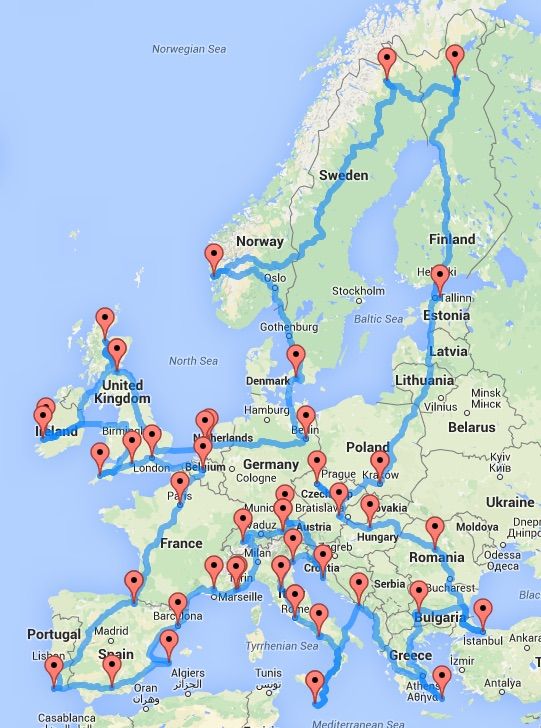
Europe offers countless exciting routes, but here are some of the most beloved and practical options for 2026:
- The Classic Western Europe Loop: Paris – Amsterdam – Brussels – Cologne – Luxembourg – Strasbourg – Lyon – Nice. This route covers iconic cities with excellent highways and scenic backroads.
- The Mediterranean Coastline: Barcelona – Marseille – Nice – Genoa – Cinque Terre – Florence – Rome. Perfect for stunning seaside views and vibrant city culture.
- Central Europe Adventure: Prague – Vienna – Budapest – Ljubljana – Salzburg – Munich. Ideal for castles, music history, and alpine scenery.
- Nordic Explorer: Copenhagen – Oslo – Bergen – Stockholm – Helsinki. A fantastic choice for fjords, modern cities, and northern lights (late winter/early spring).
Customizing Your Itinerary
Modern mapping tools like Google Maps, Waze, and specialized apps such as Roadtrippers Europe (2026 edition) allow personalization based on interests—whether it’s wine tasting, hiking, or historical sites. Consider distances between stops and aim for 2-4 hours of daily driving to avoid fatigue and maximize enjoyment.
2. Vehicle Selection and Preparation
Renting vs. Driving Your Own Car
In 2026, renting a vehicle specifically designed for long-distance European travel is often the easiest choice. Rental agencies now offer electric and hybrid models to meet growing demand for sustainable travel. Popular rentals include compact SUVs for flexibility or campervans for those seeking accommodation-on-wheels.
Tip: Book rentals well in advance, especially during peak seasons (May to September). Check whether your rental includes European breakdown coverage and roadside assistance.
Documentation and Legal Requirements
- Driver’s License: A valid driver’s license from your home country is usually sufficient. However, an International Driving Permit (IDP) is recommended for non-EU drivers.
- Vehicle Documents: Carry your registration, insurance papers, and rental agreement.
- Vignettes and Toll Passes: Many European countries require toll payments or purchase of vignettes (e.g., Austria, Switzerland, Czech Republic). Digital toll systems have become more prevalent in 2026, so consider purchasing electronic toll tags or apps that cover multiple countries.
- Emission Zones: Over 250 cities now enforce low-emission zones (LEZ). Ensure your vehicle complies or purchase necessary pollution stickers in advance.
3. Planning Your Budget
Average Costs and How to Save
Road trip budgets vary widely depending on vehicle choice, accommodation, dining, and activities. Here’s a rough breakdown for 2026:
- Fuel/Energy: Gasoline prices in Europe average around €1.60 per liter as of 2026, but electric charging costs are often cheaper—especially with growing fast-charging networks provided by companies like Ionity and Tesla Superchargers.
- Accommodation: Hotels can range from €60 to €150 per night. Campervan travelers save on lodging but should budget for campsite fees (~€20-€50 per night).
- Food and Dining: Budget travelers can spend €15-€25 per meal at casual eateries, while dining at upscale restaurants may exceed €50 per person.
- Tolls and Vignettes: Expect to pay between €5 to €25 per country, depending on length and route.
Money-saving tips: Use apps like Too Good To Go for discounted meals, book campsites in advance through platforms like EuroCampings, and consider cooking your own meals if using a campervan.
4. Accommodation Options Along the Way
Hotels, Hostels, and Vacation Rentals
Europe boasts an extensive network of accommodation catering to all budgets and preferences. Booking.com and Airbnb remain top choices in 2026 for ease of use and variety. For last-minute stays, apps like HotelTonight provide competitive rates.
Camping and Campervanning
With greener travel trends rising, campervans are increasingly popular. Modern models include solar panels, Wi-Fi, and compact kitchens. Europe has thousands of campsites with electric hookups and shower facilities—especially in France, Italy, and Scandinavia.
Alternative Stays
For a local experience, consider agriturismos in Italy, chateaux stays in France, or rural guesthouses in Eastern Europe. These options often provide immersive cultural experiences and home-cooked meals.
5. Essentials to Pack for a European Road Trip 2026
- Navigation: A smartphone with offline maps and a reliable GPS device.
- Charging Equipment: Portable chargers and EU-compatible plugs/adapters.
- Safety Kit: Reflective vests, warning triangles, first aid kit (mandatory in many countries).
- Travel Documents: Passport, insurance, IDP, car rental papers.
- Clothing: Layered clothing for varied climates, rain jacket, walking shoes.
- Eco-Friendly Items: Reusable water bottles, utensils, and bags to reduce waste.
6. Staying Connected and Safe
Connectivity
In 2026, EU-wide roaming continues to be free for mobile phone users, making it easier than ever to stay connected without extra fees. Consider a local SIM card or eSIM for better data coverage in remote areas.
Health and Safety
Carry travel insurance that includes health coverage and roadside assistance. Emergency numbers across Europe are unified (112), but knowing local numbers can be helpful. Stay informed of local traffic laws and weather conditions through apps and official transport websites.
7. Sustainability Tips for Your 2026 European Road Trip
- Choose Hybrid or Electric Vehicles: Take advantage of Europe’s expanding EV infrastructure.
- Reduce Waste: Avoid single-use plastics and dispose of waste properly.
- Support Local Economies: Buy local products and use family-run accommodations.
- Offset Carbon Emissions: Use services that calculate and help offset your trip’s carbon footprint.
Conclusion: Start Your European Road Trip Adventure Today
Planning a road trip across Europe in 2026 is more exciting and accessible than ever before. With thoughtful preparation, flexibility, and a sense of adventure, you can uncover authentic experiences beyond the usual tourist spots. Embrace the freedom of the open road, savor every moment, and create memories that will last a lifetime.
Ready to plan your perfect European road trip? Start mapping your route, book your ideal vehicle, and get ready to explore the diverse wonders of Europe in 2026!