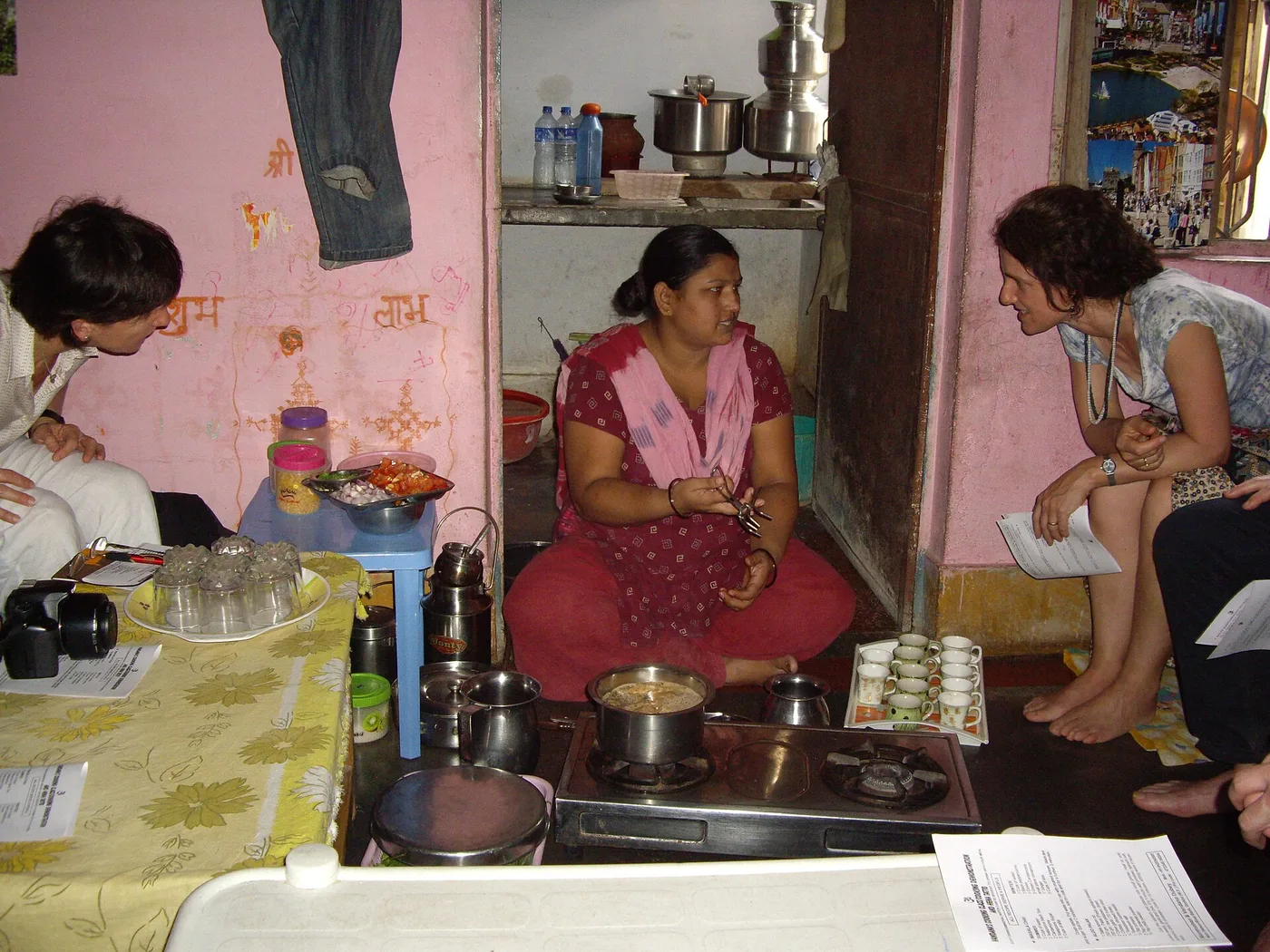
On a rainy afternoon abroad, a cooking class can feel like an ideal change of pace: a warm kitchen, a shared meal and something practical to bring home. But the listing photograph rarely tells you how much cooking you will do. One course might give each participant a workstation; another divides preparation across the group while the chef handles the difficult stages. Both can be enjoyable when expectations match. Decide whether you want technical practice, a convivial meal or an introduction to local ingredients, then choose accordingly. The best souvenir may be a recipe you can reproduce in your own kitchen. A menu full of specialist equipment and hard-to-find ingredients can be entertaining, yet less useful if your main goal is to cook the dish again.
THE SHORT VERSION
Choose the course for its teaching format and realistic hands-on time, not the longest menu. Pay more for individual practice when learning a technique is the priority. A shared kitchen suits a social afternoon; skip a class whose ingredients, age rules or dietary limitations make full participation difficult.
In this guide
Ask what each participant actually prepares
Hands-on can mean everyone makes a complete dish, or that the group shares tasks. Ask how stations are arranged, what the chef demonstrates and which stages guests perform. For pastry, resting, baking and cooling may require work prepared earlier. Understanding that structure prevents disappointment when the finished product does not come entirely from your own batch.
La Cuisine Paris explains that tasks may be divided among participants and that the degree of individual practice differs by class. Its FAQ points learners wanting more complete individual production toward technical classes. Look for similarly clear explanations from any school rather than assume every cooking experience teaches the same way.
Decide whether the market visit adds value
A market component can introduce seasonal produce, selection habits and ingredient names. It also takes time away from the kitchen. Read the full schedule and ask whether you buy ingredients together or simply take a short walk. If technical cooking is the main goal, a longer kitchen session may be the better choice.
Check whether the market operates on your chosen date and how the route changes if a stall is closed. A guide can still provide an enjoyable introduction, but the booking should explain alternatives. Dress for the walking portion and keep the day's other meals light enough to enjoy the class food.
Confirm dietary fit and participation rules
Describe allergies and restrictions before paying, including ingredients you cannot handle as well as eat. A fixed menu may be difficult to adapt, and a shared kitchen can involve common equipment. Ask for a specific answer rather than assume the chef can redesign the course once you arrive.
Check minimum ages and whether accompanying nonparticipants are allowed. La Cuisine Paris states that its public classes are for registered participants and describes limitations on very young children and spectators. Other schools set different rules. A family booking needs a course designed for its actual participants, not merely one with a welcoming photograph.
Compare the class as a whole afternoon
Include travel, instruction, cooking and eating time in the schedule. Ask whether the meal is shared on site or products are taken away, and whether drinks are included. A class finishing late can replace dinner; a pastry workshop may not. Comparing the complete afternoon prevents an unnecessary second reservation.
Read cancellation rules and arrival instructions, particularly if the school cannot admit late guests safely once cooking begins. Choose a location you can reach comfortably. For a couple with different interests, a shorter introductory course may be more enjoyable than an advanced session booked solely to justify an ambitious holiday goal.
Compare your options
| Class style | Best for | Tradeoff |
|---|---|---|
| Shared cooking session | A social meal and broad introduction | Tasks are divided among guests |
| Technical workshop | Repeating a specific skill at home | More focused and potentially demanding |
| Market and cooking course | Understanding ingredients and context | Less time entirely in the kitchen |
MAKE THE NEXT STEP A CONSIDERED ONE
Ready to compare?
Check the live listing, inclusions, total price and cancellation terms with the provider. A clear fit matters more than a tempting headline price.
External websites. Purchases and bookings take place directly with your chosen provider.A few useful questions
Can I join a cooking class without cooking experience?
Look for a course described for beginners and ask about the expected skills. Introductory courses and technical masterclasses can have very different demands.
Can a companion watch without buying a place?
Check the school's rule. Space, kitchen safety and group arrangements may mean only registered participants can enter the teaching area.
Sources and further reading
Published provider and destination information informs this guide. Our comparisons are editorial judgments rather than reports of personal testing. Check the original source for current details.
- La Cuisine Paris: class format, diets and participation FAQ ↗
- La Cuisine Paris: cooking and pastry class options ↗
Have a correction? Tell our editors.