After checking into a new city, you open a map and find dozens of restaurants, unfamiliar menu words and little energy for comparison. A food tour can turn that first evening into a manageable introduction: a guide, a clear meeting point and several stops within one neighborhood. It can also be an expensive mismatch if you arrive late, dislike the set tastings or expect a seated dinner when most of the route involves standing. Treat the booking as both an activity and a meal, then judge it against your travel day. A well-chosen tour gives you useful context and ideas for the following days. It should leave you curious about the neighborhood rather than feel like a checklist of dishes consumed on a tight schedule.
THE SHORT VERSION
Book a first-evening food tour when you arrive with a dependable time buffer and the tasting list suits your preferences. Choose the neighborhood and guiding style before the number of stops. Skip a prepaid arrival-night departure if delays, jet lag or dietary uncertainty could make participation difficult.
In this guide
Give arrival enough space
Work backward from the meeting time through airport formalities, transport, hotel check-in and a short rest. A tour that starts soon after a scheduled landing is vulnerable to small delays. The provider may not be able to hold a group or rearrange its restaurant reservations, even if you explain that your flight is late.
If the journey is long or crosses several time zones, consider the second evening instead. You retain the introductory benefit without forcing yourself through a sociable walking activity when tired. Keep the first dinner easy and close to your hotel, then enjoy the tour with a clearer appetite and more attention.
Match the route to your interests
Read the neighborhood description, walking distance and the balance between food and history. Some outings focus on market produce, others on traditional taverns, bakeries or drinks. Choose an area you want to understand rather than the longest menu. Check whether the route finishes near transport or within a comfortable journey of your accommodation.
A thoughtful guide can make ordering and local habits easier to understand, but a tour does not cover an entire city's food culture. Use it as one introduction. Keep time later in the trip to revisit a place independently or try a different district rather than assume one evening settles every dining decision.
Get dietary answers before payment
Send the specific restriction and ask which tastings can be replaced. Vegetarian options, allergy accommodation and avoidance of alcohol are separate questions. A general note saying dietary requests welcome is not enough if an ingredient creates a serious problem. Ask about shared preparation where relevant, and do not rely on substitutions invented at the meeting point.
Eating Europe's FAQ asks guests to notify dietary restrictions at booking and explains that some diets cannot be accommodated at all stops. Treat that as a prompt to ask precise questions of any provider. If suitable alternatives are limited, a private food walk or an independently planned meal may be a better purchase.
Check whether it replaces dinner
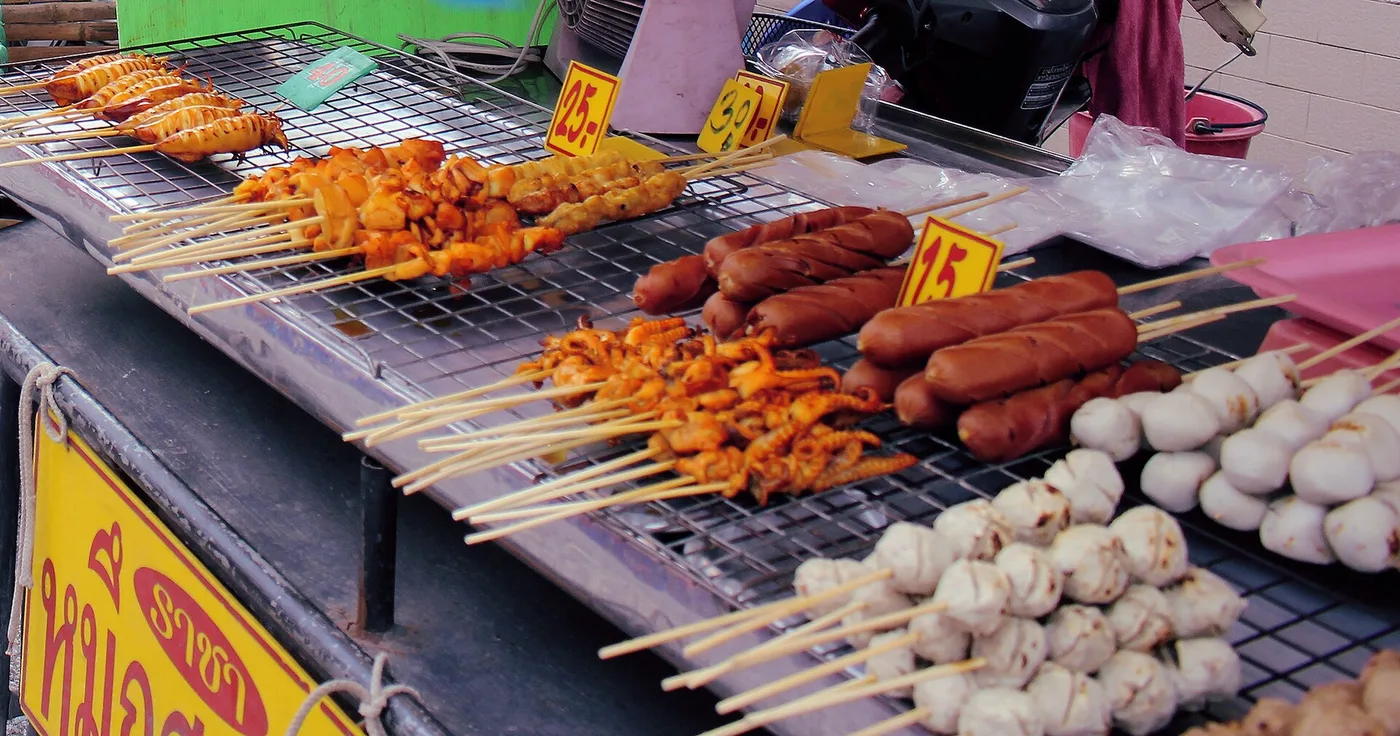
Look for the approximate tasting style, whether portions are shared and whether seating is available. Several small samples can feel very different from a plated meal. Ask which drinks are included and whether water or nonalcoholic alternatives are provided. Avoid booking a second substantial dinner simply because the tour description leaves the meal question unclear.
Do not arrive painfully hungry or after a large late lunch. A light snack can make waiting between stops more comfortable, while a little appetite lets you enjoy the range of food. Carry water if recommended and dress for the walking conditions rather than for a restaurant photograph.
Compare guided value with independent browsing
The useful premium pays for planning, explanations and access to a coherent route. You are unlikely to justify it solely by comparing the retail cost of each snack. Read how the tour is led and whether the guide explains the neighborhood, ingredients and ordering customs. A list of venue stops without much context may not provide what you want.
For confident travelers with narrow tastes, independent market browsing can offer more choice. A tour is more compelling when unfamiliar menus or limited time would otherwise leave you hesitant. Save the meeting instructions offline, note the cancellation deadline and buy the experience that reduces the uncertainty you actually have.
Compare your options
| Option | Useful for | Potential drawback |
|---|---|---|
| Shared food walk | A sociable neighborhood introduction | Fixed dishes and departure time |
| Private food outing | Specific interests and confirmed adaptations | Higher total price |
| Independent market visit | Choosing each dish at your own pace | Less explanation and more planning |
MAKE THE NEXT STEP A CONSIDERED ONE
Ready to compare?
Check the live listing, inclusions, total price and cancellation terms with the provider. A clear fit matters more than a tempting headline price.
External websites. Purchases and bookings take place directly with your chosen provider.A few useful questions
Will a food tour cater for every allergy?
Do not assume so. Describe the allergy before booking and obtain a specific answer about substitutions and preparation. Choose another activity if the provider cannot confirm suitability.
Should we tip the guide?
Check the provider's guidance and local custom. Keep any optional tip separate from the advertised tour cost when comparing your budget.
Sources and further reading
Published provider and destination information informs this guide. Our comparisons are editorial judgments rather than reports of personal testing. Check the original source for current details.
Have a correction? Tell our editors.