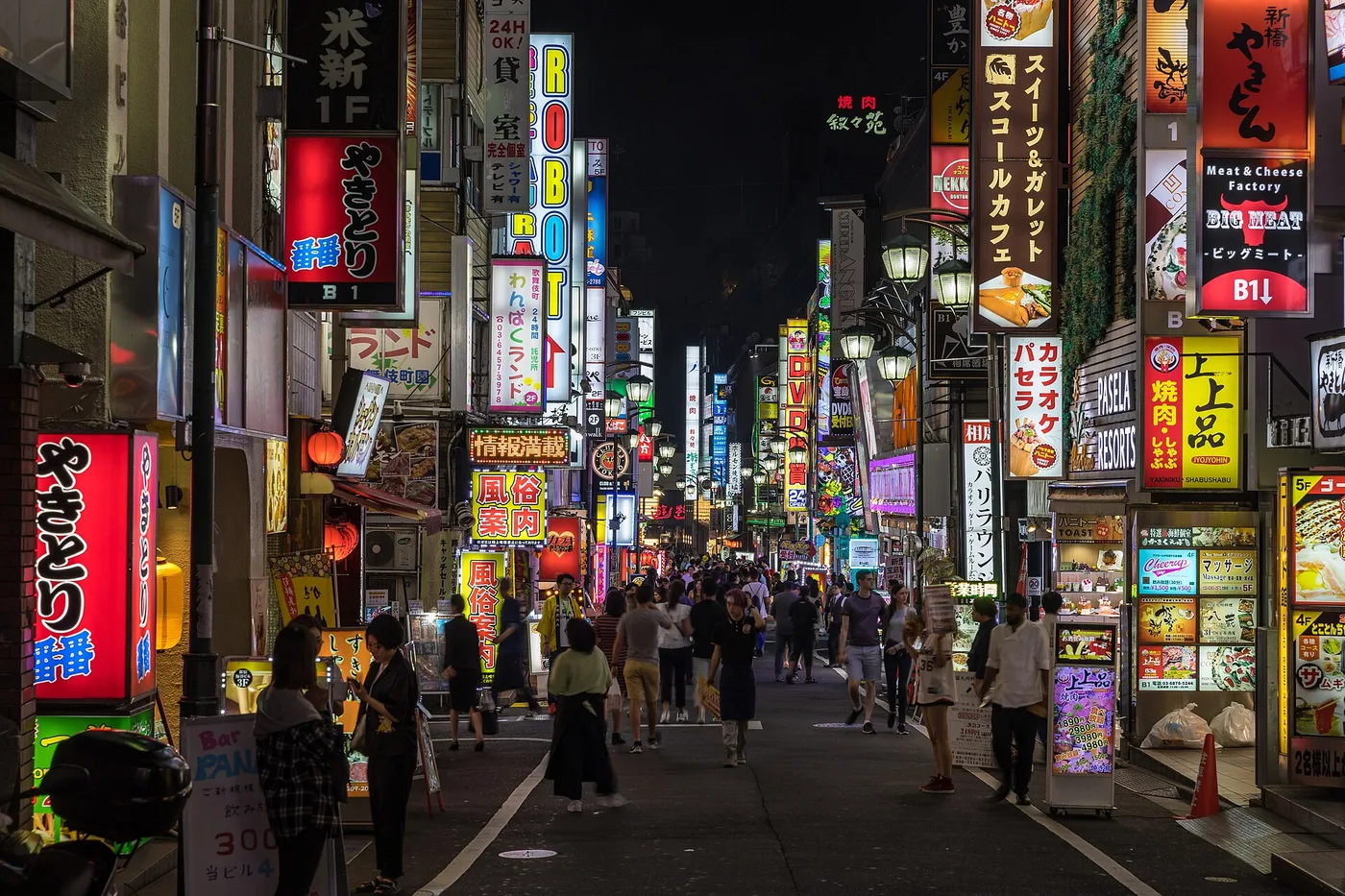
Imagine arriving in Tokyo with five sightseeing days and a saved map full of restaurants, shops and observation decks. Each pin looks reachable, but a day assembled from opposite sides of the city soon becomes a sequence of platforms and station exits. This hypothetical first visit needs a geographical plan more than another must-see list. Start by grouping places you care about, then choose lodging near a station that serves those groups. Buy timed tickets only where the timing is useful, and leave room for discoveries that do not come with a reservation number. Tokyo can support many travel styles; the practical advantage comes from shaping days around journeys you will actually take, rather than chasing everything at once.
THE SHORT VERSION
Choose a hotel through its station, group two nearby areas per day and keep the arrival evening simple. Pay for a tour when it offers context or access you want. Skip a costly transport bundle until its routes and restrictions match your planned journeys.
In this guide
Evaluate the station entrance as part of the hotel
GO TOKYO describes an extensive combination of overground rail, Tokyo Metro and Toei networks. For a visitor, that breadth is useful but does not make every hotel equally convenient. The nearest station name is only the start: identify the entrance, the relevant platform route and whether luggage requires stairs.
Compare Shinjuku, Ueno or another candidate base against your actual interests rather than selecting a district by reputation alone. A large interchange offers many routes but can add internal walking. Ask the property for its recommended arrival exit and save the hotel address before leaving the airport.
Build days from clusters, not a ranked list
Combine places that sit on a sensible walking route or direct rail journey. An eastern day and a western day are easier to adjust than a schedule alternating between them repeatedly. Give each day one anchor: a museum, shopping area, garden or booked meal that matters to you.
Leave the second half less prescribed. A neighborhood can deserve another hour because a cafe or shop catches your attention. If a reservation locks you into crossing the city during that window, it can turn an enjoyable discovery into a timetable problem. The unbooked space is part of the itinerary's value.
Compare rail products after outlining the route
A broad rail pass, a subway product and ordinary pay-as-you-go travel cover different journeys. Read the issuing operator's current coverage, validity and eligibility rules; do not infer that a Tokyo transport product includes every line. An intercity pass should be evaluated against intercity trips rather than a city-only holiday.
Make a short list of expected travel days and stations before shopping. If your plan remains mostly local and flexible, the convenience of a usable payment method may matter more than chasing a small theoretical saving. Keep a backup way to pay and avoid assuming a foreign card works on every machine.
Reserve the experience that would hurt to miss
A popular observation deck or specific dining experience can justify advance booking if it is central to your trip. Check the exact admission slot, change policy and weather implications before paying. A panoramic view is a different purchase from a neighborhood walk, and conditions may affect how much you enjoy it.
Choose a guided food or cultural walk if you want explanation and a manageable introduction. Compare meeting point, included food, dietary accommodation and end location. Travelers who mainly want to browse shops at their own pace should skip a rigid group tour that spends time on stops they would not independently choose.
Leave the first evening close to the room
After a long flight, plan dinner near the hotel and one simple walk. Avoid a restrictive first-night reservation with a difficult meeting point. Early luggage storage can help, but a guaranteed early room usually requires explicit arrangements rather than an optimistic request entered in a booking form.
For longer stays, check laundry facilities, room storage and bed dimensions alongside nightly cost. Two people with larger bags may benefit from a modest room upgrade more than a luxury view. On departure day, use confirmed luggage storage if needed and allow a realistic buffer for your chosen airport route.
Compare your options
| Decision | Buy for this reason | Inspect first |
|---|---|---|
| Station-adjacent hotel | Repeated convenient journeys | Exit, stairs and room size |
| Transport product | Coverage matches actual travel | Included networks and validity |
| Guided neighborhood tour | Interpretation and a clear introduction | Walking pace and end location |
MAKE THE NEXT STEP A CONSIDERED ONE
Ready to compare?
Check the live listing, inclusions, total price and cancellation terms with the provider. A clear fit matters more than a tempting headline price.
External websites. Purchases and bookings take place directly with your chosen provider.A few useful questions
How many districts should I visit each day?
Start with one main district and one nearby area. Add more only when transport and your energy allow it; a district is not a task to finish.
Should I change hotels to see both sides of Tokyo?
Usually not on a short visit. Packing and check-in time often outweigh the saved train ride unless a move clearly improves a larger multi-city itinerary.
Sources and further reading
Published provider and destination information informs this guide. Our comparisons are editorial judgments rather than reports of personal testing. Check the original source for current details.
Have a correction? Tell our editors.