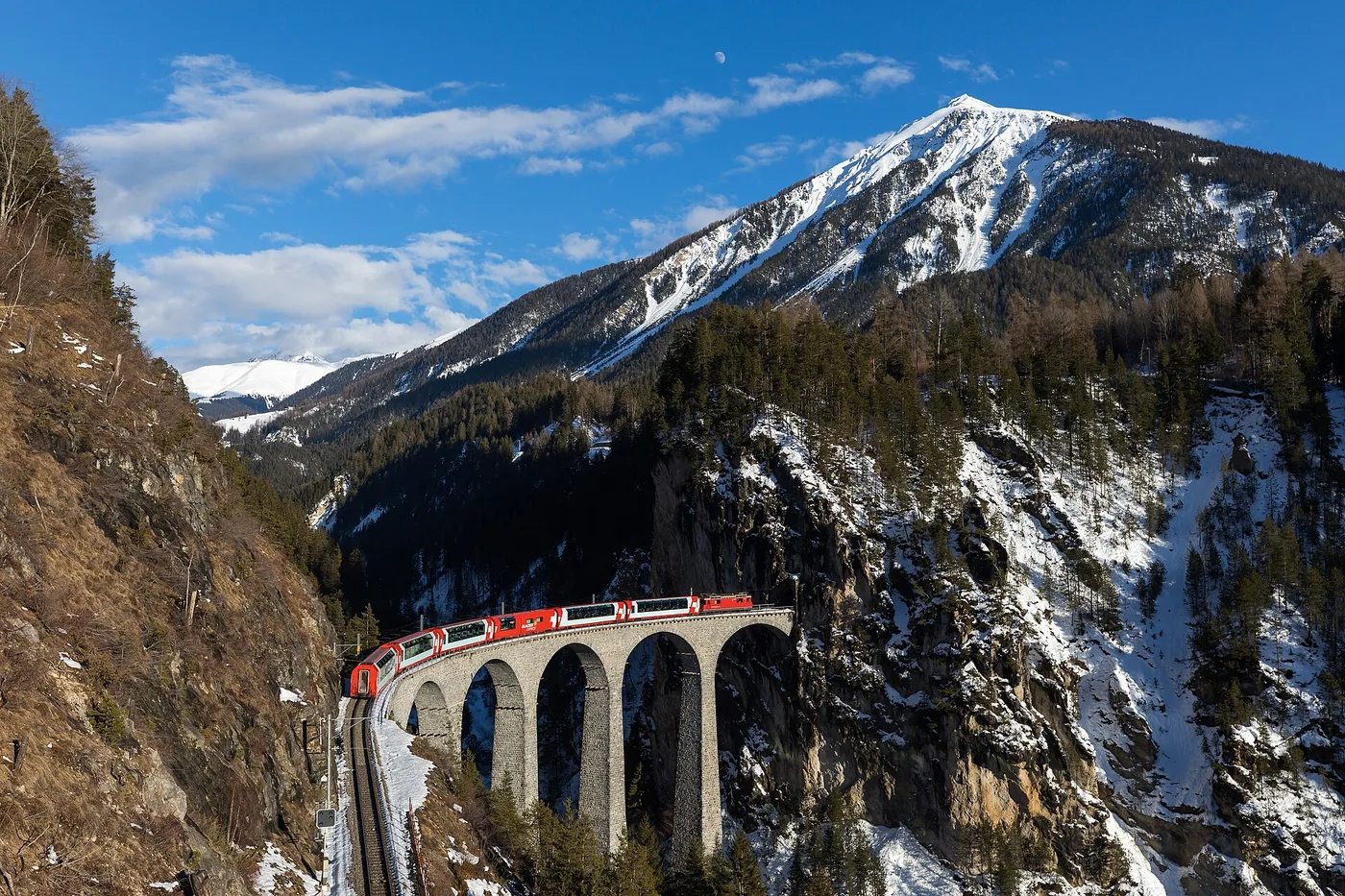
Consider a traveler crossing Switzerland between two hotel stays. They can take a quick connection or turn the transfer into a mountain-view day, with a longer route and an afternoon stop. A panoramic train photograph makes the second option look effortless, yet there are luggage, reservations and onward connections to arrange. This is an illustrative planning situation, not a claim of firsthand travel. Scenic rail is most rewarding when the train ride is treated as part of the holiday rather than squeezed between inflexible appointments. Before buying a premium seat, work out when the attractive part of the route will happen, how long you want to remain aboard and what you will do with your bags if you stop.
THE SHORT VERSION
Choose the route and daylight window first, then compare a panoramic service with ordinary trains on the relevant line. Buy the reservation the specific service requires and leave generous onward time. Skip a premium carriage when your main priority is flexible stops, a fast transfer or avoiding a tightly fixed timetable.
In this guide
Start with the route, not the carriage
Mark the section you most want to see and check when your planned service reaches it. A departure that looks convenient may put part of the landscape outside useful daylight. Mountain weather can also obscure a view, so avoid treating any paid panorama product as a guarantee of clear scenery.
Look at regular services as well as named tourist trains. A standard train may allow more departures or easier intermediate stops, while a dedicated panoramic journey may provide a more organized experience. Check the actual route: two trains between the same endpoints do not necessarily use the same tracks. Compare maps and the operator's timetable before assuming the cheaper option offers identical scenery.
Separate the travel ticket from the seat
A rail pass, a journey ticket and a seat reservation are distinct things. SBB explains that reservation rules differ across services and countries, and provides separate guidance for panoramic trains. Verify both your right to travel and any required reservation or supplement. A pass that covers the route does not by itself prove that you have booked a place.
When a seat map is available, look for an arrangement that suits your group. Couples may prefer a pair of seats rather than a table shared with strangers; families may value facing seats and nearby luggage space. Avoid spending heavily on a promised best side without checking the direction of travel and whether the scenery changes sides along the route.
Make transfers and luggage comfortable
Read the connection details down to the station and platform requirements where available. A short transfer with a rolling case is different from an easy cross-platform change with a daypack. If an attractive journey has several changes, simplify your bags or choose a slower connection that offers room to maneuver.
For a planned town stop, establish where luggage can be left and what happens if storage is full. Do not depend on a café watching your suitcase. Keep documents, medication and valuables in a small bag that stays with you, and avoid blocking aisles with items you need repeatedly. A hotel near the arrival station can be a more useful comfort purchase than a higher carriage class.
Pay for the parts that improve your day
Compare catering arrangements before paying for a dining experience. A restaurant reservation, an included meal and the ability to buy a snack onboard are different benefits. If you want a leisurely local lunch, a stop between trains may be preferable, provided the ticket and reservation conditions support that plan.
Some named journeys combine transport modes. SBB describes the Gotthard Panorama Express as a boat-and-train experience, which means travelers should assess the full sequence rather than only the rail seat. Review seasonal operation, cancellation terms and onward travel together. Leave the final evening open enough that a delayed scenic ride does not ruin another paid booking.
- Confirm ticket coverage and reservation requirements separately.
- Check the entire transport sequence and operating dates.
- Download confirmations before entering areas with unreliable reception.
Compare your options
| Choice | Best fit | Tradeoff |
|---|---|---|
| Dedicated panoramic service | A planned scenic experience | Reservations reduce flexibility |
| Regular regional trains | Stops and timetable choice | More connection planning |
| Fast direct route | An efficient transfer day | Less time enjoying the landscape |
MAKE THE NEXT STEP A CONSIDERED ONE
Ready to compare?
Check the live listing, inclusions, total price and cancellation terms with the provider. A clear fit matters more than a tempting headline price.
External websites. Purchases and bookings take place directly with your chosen provider.A few useful questions
Does a rail pass include every reservation?
Do not assume so. Check the official rules for the particular train, route and travel date; some services require a separate reservation or supplement.
Is first class necessary for the views?
A higher class may offer a different seat arrangement or atmosphere, but the route and weather still determine the scenery. Compare the actual carriage benefits before upgrading.
Sources and further reading
Published provider and destination information informs this guide. Our comparisons are editorial judgments rather than reports of personal testing. Check the original source for current details.
Have a correction? Tell our editors.