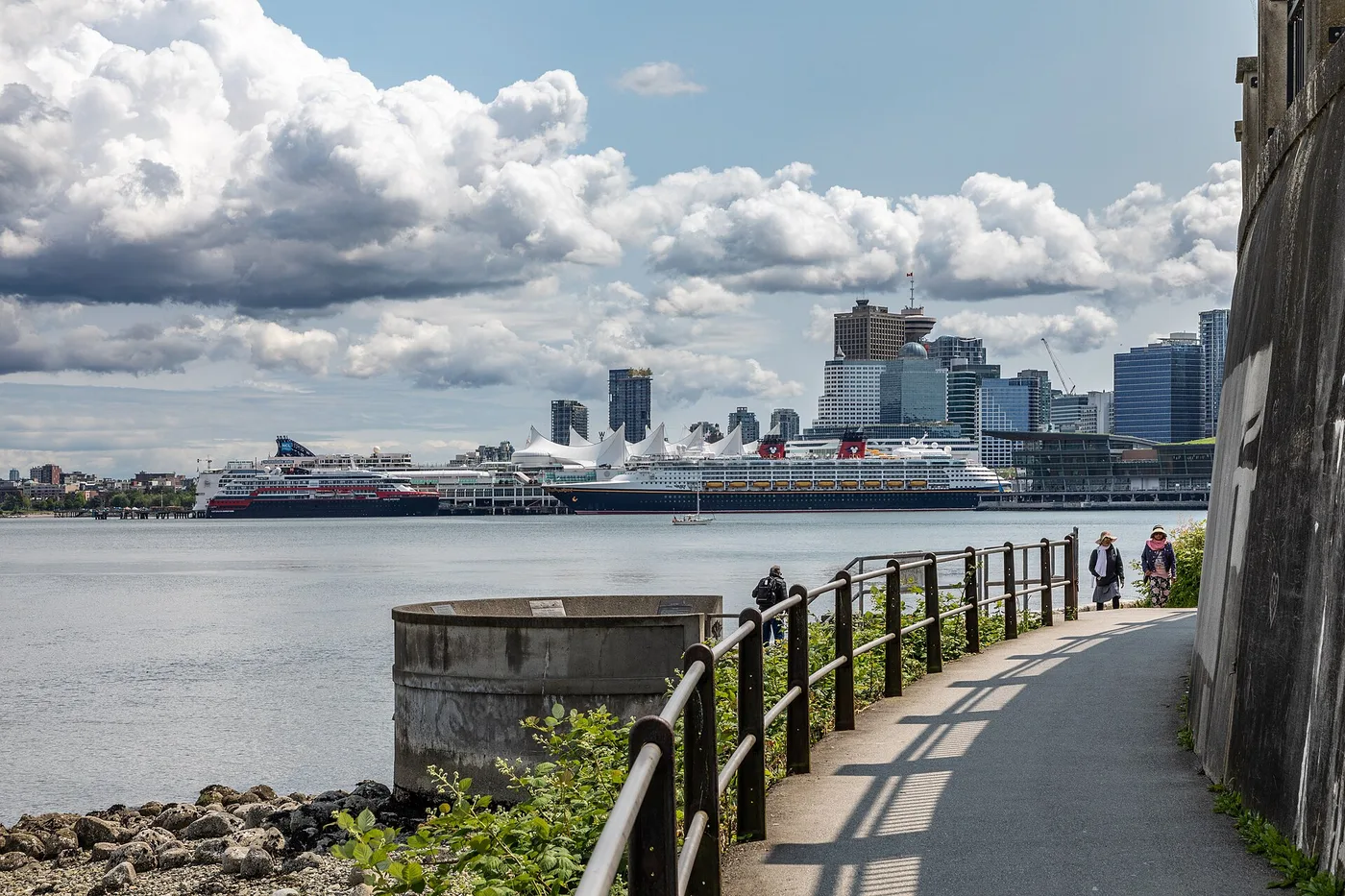
Imagine four Vancouver days shared by a traveler who wants cafes and galleries and a companion who would rather be outside. The forecast changes, the hotel offers a tempting parking package and a mountain excursion looks impressive in its photos. This hypothetical city break does not need a rental car for every hour or an ambitious hike every morning. It needs a base that supports ordinary city life and an outdoor day that matches everyone's comfort and ability. Use the first planning pass to separate easy park time from activities requiring equipment, transport or a guide. Then reserve only the pieces that are difficult to arrange spontaneously, leaving space to move outdoor plans when conditions call for it.
THE SHORT VERSION
Stay near the city routes you will use, keep outdoor time flexible and compare guided activities by difficulty and transport inclusions. Skip an automatic rental-car purchase for a city-focused itinerary. Add a vehicle only when specific journeys justify parking costs, driving time and the responsibility involved.
In this guide
Give the hotel two jobs
For a four-day city visit, lodging should serve your neighborhood plans and your chosen outdoor departure points. Downtown or the West End can be practical candidates, but compare actual walking routes and transport stops. A harbor view is a bonus; a manageable return after dinner is a daily advantage.
Ask about luggage storage, early arrival and laundry if Vancouver is part of a longer trip. Compare the room total with parking only if you need a car. A hotel package that includes a parking space has little value when you would otherwise use public transport and the occasional taxi.
Start with Stanley Park at an ordinary pace
Destination Vancouver describes Stanley Park as a place with forest trails, beaches and a seawall, providing several ways to spend time outside without treating the visit as an intensive expedition. Choose a short section you can enjoy comfortably and check local access information before going. Walking part of the route is a valid plan.
Bicycle rental is useful when the group enjoys cycling and understands the current rules and designated routes. Inspect bike fit, helmets, return times and equipment for children. Skip renting bikes simply to cover more distance if someone would rather walk; the outing should improve the day for the whole party.
Keep one day for neighborhoods and food
Choose a market or shopping area and a neighboring district rather than crisscrossing the city for individual food stops. Give lunch enough time to be a break. A city-focused day provides an alternative when outdoor conditions are poor and helps prevent the trip from depending on a single weather window.
A guided food walk can be worthwhile for visitors who want local explanation and a curated sequence. Compare portions, drinks, substitutions and walking distance before paying. People with specific dietary needs should confirm arrangements directly instead of relying on a broad suitable-for-everyone description.
Treat the bigger outdoor outing as a separate purchase
A mountain visit, guided hike and sightseeing coach excursion have different physical requirements. Read the operator's route, elevation or walking demands, equipment advice and weather policy. Choose the activity that fits your ability, not the one whose hero photograph looks most dramatic.
Check whether pickup is included and whether the meeting point is genuinely close to your hotel. If not, add that journey to the total cost and start time. Travelers wanting gentle scenery should skip a strenuous guided route and look for an accessible viewing experience with clear transport arrangements.
Decide whether independence warrants a car
A vehicle can make sense for dispersed stops outside the city, especially when several travelers share costs. Build that day explicitly, then compare a one-day rental, a longer rental and a guided outing. Include parking, fuel, rental hours and the time needed to collect and return the vehicle.
Use TransLink's official planning tools for urban journeys and check service details for your travel dates. Keep the final day close enough to the departure route that luggage and airport travel stay straightforward. A flexible hotel rate and movable outdoor day can be more useful than several prepaid excursions competing for the same clear morning.
Compare your options
| Option | Best fit | Budget check |
|---|---|---|
| City base without car | Neighborhoods and local park time | Transit and occasional rides |
| One-day vehicle rental | Specific dispersed outside stops | Parking, fuel and collection time |
| Guided outdoor outing | Transport and expert structure | Fitness requirements and inclusions |
MAKE THE NEXT STEP A CONSIDERED ONE
Ready to compare?
Check the live listing, inclusions, total price and cancellation terms with the provider. A clear fit matters more than a tempting headline price.
External websites. Purchases and bookings take place directly with your chosen provider.A few useful questions
Do I need hiking equipment for every outdoor day?
No. A gentle park visit differs from a mountain hike. Match footwear and equipment to the specific route and operator's advice, and do not improvise a demanding route without preparation.
Should I schedule the mountain outing on day one?
Keep some flexibility where booking terms allow. Fatigue after travel and changing conditions can make a later day more suitable; avoid a tightly packed arrival schedule.
Sources and further reading
Published provider and destination information informs this guide. Our comparisons are editorial judgments rather than reports of personal testing. Check the original source for current details.
Have a correction? Tell our editors.