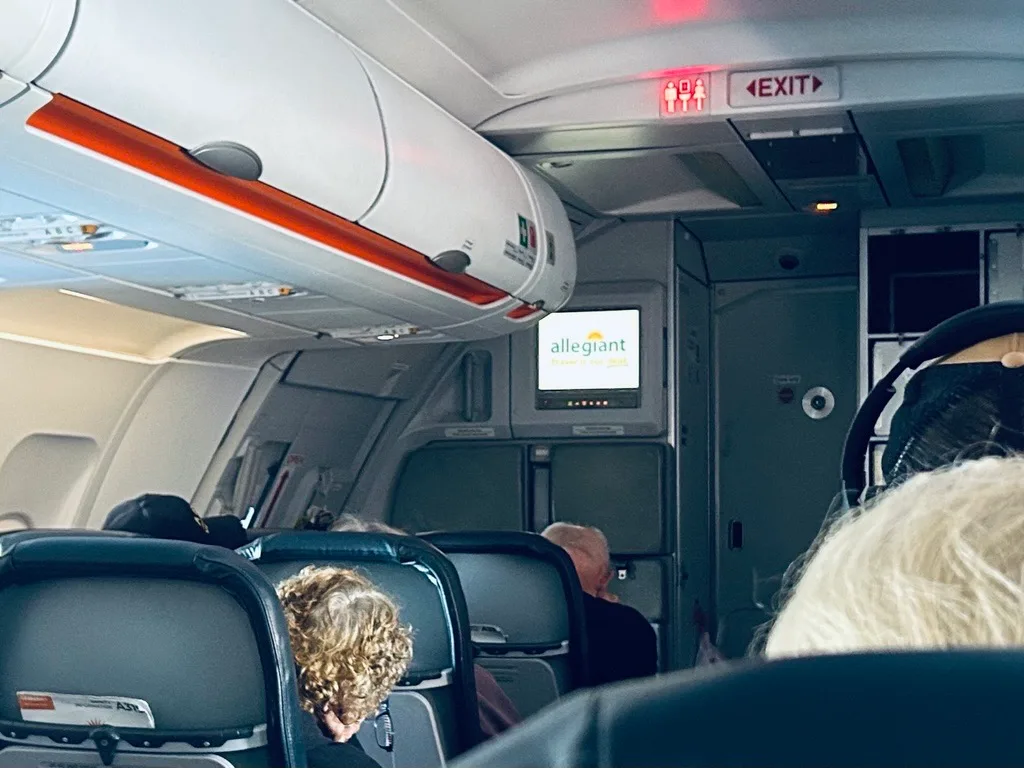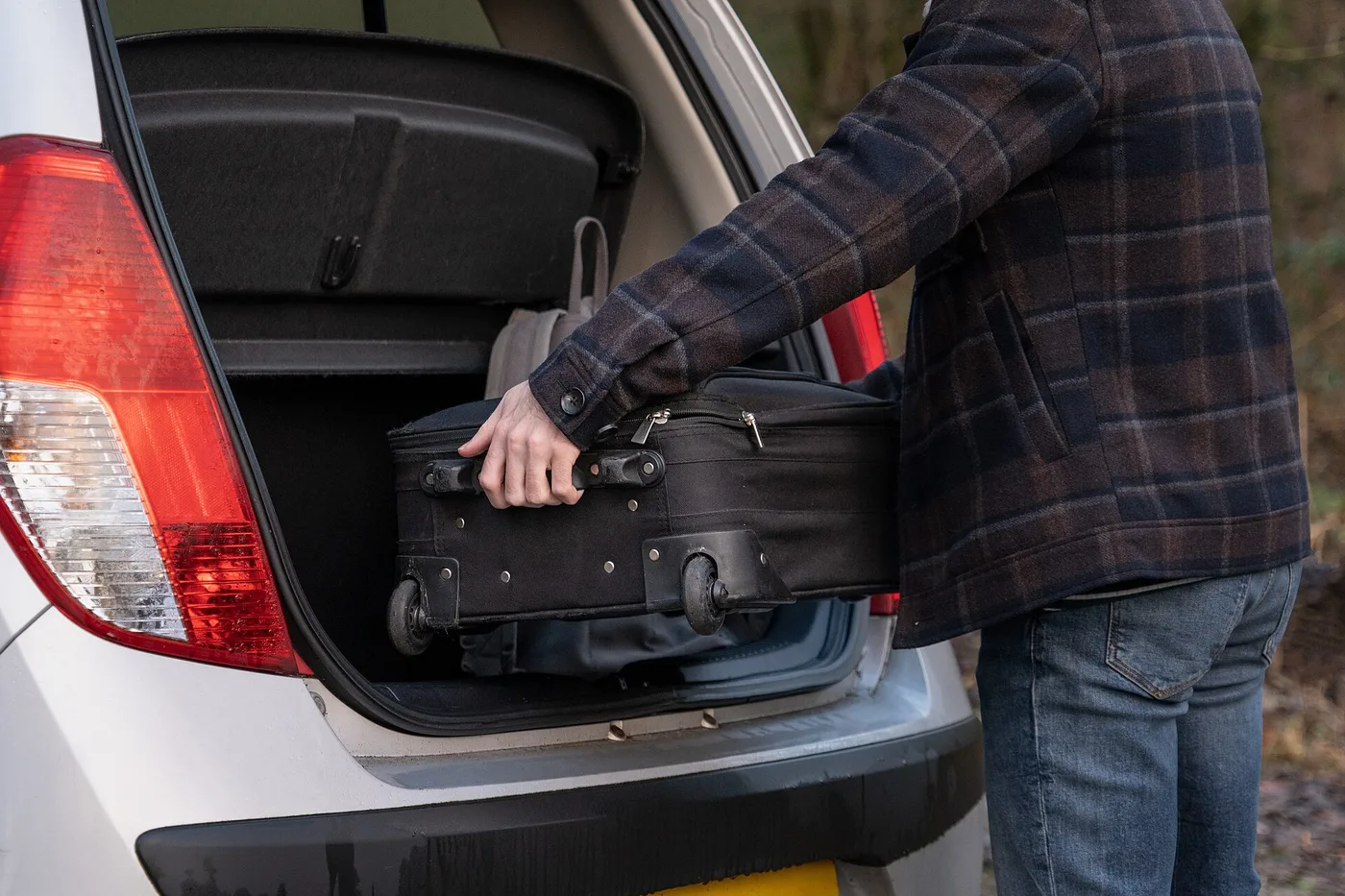
Imagine a week that includes a city hotel, a train transfer and two nights near the coast. You want to leave the airport without waiting for a checked bag, but the weather calls for a layer and one dinner needs something a little smarter. This hypothetical trip shows why carry-on packing is a small logistics exercise rather than a competition to own the fewest possessions. The useful question is whether every item supports the actual week, including laundry and transport. A compact case works well when its contents are repeatable and you can manage it yourself. Before buying a new suitcase, test the clothes and shoes you plan to take against the baggage rules for every flight on the itinerary.
THE SHORT VERSION
A carry-on week works best with repeatable outfits, a realistic laundry stop and one versatile pair of walking shoes. Keep the essential small bag ready for an unexpected gate check. Skip buying specialized packing equipment until you have tried the plan with the luggage and organizers you already own.
In this guide
Find the strictest allowance in your itinerary
Check the operating airline for each flight, including any domestic connection bought separately. Cabin size, weight and personal-item rules are not universal. Measure your packed bag with wheels, handles and external pockets included. A case sold as carry-on is a product description, not an airline's permission to bring it aboard.
British Airways distinguishes its small under-seat bag from the larger cabin case and notes that the latter may need to go in the hold. Use that as a reminder to separate essentials, rather than applying one airline's dimensions everywhere. Put documents, medicine and the valuables you need close at hand in the smaller bag. Confirm battery rules before packing chargers or smart luggage.
Create a wardrobe with a washing point
Lay out outfits for the hardest day to dress for, then see which pieces also work elsewhere. A light layer that goes over both a casual shirt and a dinner outfit is more useful than separate garments for every setting. Choose items you already know are comfortable; travel is a poor place to discover a new waistband or shoes that rub.
For a week, plan when and how you will wash clothes. Hotel laundry, a nearby laundromat and a room sink have different costs and drying times. Check accommodation rules before relying on hand washing, and do not assume something will dry overnight in a humid room. If laundry is uncertain, pack another small essential rather than a second bulky outfit.
Choose a bag for the surfaces you will cross
A wheeled case suits smooth terminals and longer waits; a backpack can be easier on stairs and uneven streets. Neither is automatically right. Try lifting the packed bag to the height of an overhead shelf and carrying it up a short flight of stairs. If it is awkward at home, adding train crowds will not improve it.
Compare empty weight, repairable wheels, usable handle height and internal access before paying for a fashionable shell. A wide clamshell opening is convenient in a spacious hotel but can be irritating in a tiny room. Compression organizers can separate clean and worn clothing, yet they do not reduce the bag's weight. Skip a large organizer set if ordinary pouches do the job.
Leave room for the return journey
A bag that barely closes on departure leaves no space for rearranging wet clothes or bringing something home. Reserve a small amount of room instead of expanding the case beyond the airline limit. If a souvenir matters, consider its weight and fragility before buying rather than treating the final packing session as a surprise.
Keep your arrival needs accessible: a charger, an extra layer and the first evening's essentials should not require emptying the whole case in a lobby. Prepare a small laundry bag and keep toiletries contained against spills. Review airport liquid restrictions for every security checkpoint. When the week needs heavy equipment or several specialized outfits, a checked bag may be the simpler purchase.
- Weigh the packed bag, not just the empty case.
- Keep the under-seat essentials bag independent.
- Test the laundry plan before removing spare basics.
Compare your options
| Bag type | Useful for | Think twice when |
|---|---|---|
| Small wheeled case | Smooth terminals and hotel stays | Frequent stairs or rough streets |
| Travel backpack | Rail changes and uneven routes | You dislike carrying weight |
| Checked suitcase | Bulky or specialist equipment | Quick transfers are the priority |
MAKE THE NEXT STEP A CONSIDERED ONE
Ready to compare?
Compare the dimensions, carry comfort and packing layout with your itinerary. Check your airline allowance before buying a new bag.
External websites. Purchases and bookings take place directly with your chosen provider.A few useful questions
Do packing cubes make a bag lighter?
They organize items and can compress soft clothes, but also add their own weight. Use a few if they help you find things; a whole matching set is unnecessary.
What if my cabin bag is checked at the gate?
Keep essential medicine, documents, valuables and batteries governed by cabin-only rules in the smaller bag. Follow the airline's instructions and remove these before handing over the larger case.
Sources and further reading
Published provider and destination information informs this guide. Our comparisons are editorial judgments rather than reports of personal testing. Check the original source for current details.
Have a correction? Tell our editors.