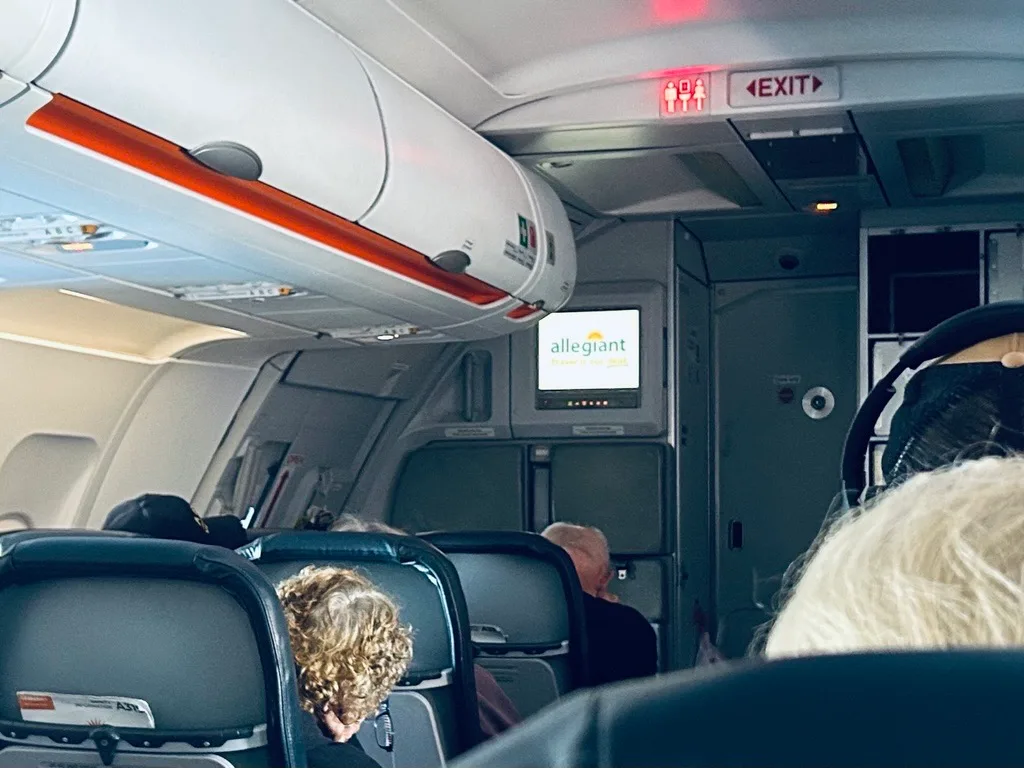
Picture an overnight flight followed by a morning hotel arrival, with several hours before the room is ready. You want enough rest to enjoy the first day, yet your carry-on is already close to full. An online list of travel gadgets can make every discomfort seem to require another purchase. This scenario is illustrative, not a report of trying those products. A more useful approach is to consider the part of the flight that usually bothers you: light, noise, cold air or having belongings out of reach. Build a modest kit around those needs, check the airline's rules and leave space under the seat for your feet. Comfort comes from a workable arrangement as much as from the equipment itself.
THE SHORT VERSION
Begin with a familiar layer, an eye mask if light bothers you and the headphones you already use. Add a neck support only after checking that it feels comfortable when seated. Skip bulky footrests and novelty sleep systems unless the airline allows them and they address a specific need you know you have.
In this guide
Put the kit within reach
Pack a small pouch that can come out before the larger bag goes overhead. Include your charger, headphones, tissues, lip balm and the documents needed on arrival. Put medication where you can access it without asking someone to move a suitcase. Keep the pouch compact enough that it does not become another bag to juggle.
Choose items you can operate in limited space. A water bottle with an awkward cap and several dangling cables can make a cramped seat less comfortable. Download entertainment before departure and check charging connections for the aircraft where the airline provides them. Treat onboard charging as a convenience rather than the only way to keep an arrival phone usable.
Buy sleep accessories for your seat
An eye mask is a small purchase if cabin lighting regularly keeps you awake. Check that its strap does not press against your ears or interfere with headphones. Earplugs are light but need a fit you can tolerate. Try familiar accessories at home before adding a new style to the kit.
Neck supports differ in firmness, shape and packed size. Consider your likely resting position, whether you wear glasses and how the support works with the seat's headrest. A pillow that occupies half the bag is a significant tradeoff. Avoid products that rely on attaching to seats or using shared space without confirming airline permission. They can create problems for neighboring passengers or during safety checks.
Handle temperature and battery needs simply
Wear layers that let you adapt without changing an entire outfit. A soft mid-layer can be useful in the cabin and on arrival, making it a better packing choice than a blanket you will use only once. Select shoes that remain comfortable when sitting for a long period, while keeping them suitable for the airport and arrival walk.
If you bring a power bank, read the airline's current rules for capacity, quantity, storage and onboard use. The FAA says spare lithium batteries and power banks must be carried in the cabin, and notes that airlines may impose tighter limits. Keep it accessible if the larger cabin bag is gate checked. Do not buy an oversized battery just because it advertises more charging cycles.
Keep the first day as comfortable as the flight
A comfort purchase can happen after landing rather than onboard. Compare early check-in, an airport hotel or a quiet breakfast near the accommodation if your arrival schedule leaves a long gap. Confirm any guaranteed room access in writing; a request added to the reservation is not the same as a booked early room.
Leave the first morning's sightseeing flexible. A simple arrival transfer can remove more stress than another gadget, especially when directions require changes with luggage. Choose only the equipment you will also use later in the trip. For personal health concerns about flying, seek advice suited to your circumstances rather than buying products marketed with broad medical promises.
- Prepare one accessible essentials pouch.
- Try sleep accessories before travel.
- Recheck the operating airline's battery policy.
Compare your options
| Item | Useful when | Reason to skip |
|---|---|---|
| Eye mask | Cabin light disturbs your rest | You already sleep comfortably |
| Neck support | Seated posture feels unsupported | Bulk outweighs the benefit |
| Power bank | Arrival charging is uncertain | Existing battery and charging suffice |
MAKE THE NEXT STEP A CONSIDERED ONE
Ready to compare?
Check the live listing, inclusions, total price and cancellation terms with the provider. A clear fit matters more than a tempting headline price.
External websites. Purchases and bookings take place directly with your chosen provider.A few useful questions
Should I buy noise-canceling headphones just for the flight?
Try the headphones you already own first. A new pair may be useful for frequent travel, but comfort, battery life and everyday use should justify the purchase.
Can I use any inflatable footrest?
Do not assume so. Check the operating airline's rules and remember that equipment cannot obstruct required space or interfere with instructions from the cabin crew.
Sources and further reading
Published provider and destination information informs this guide. Our comparisons are editorial judgments rather than reports of personal testing. Check the original source for current details.
Have a correction? Tell our editors.