Sustainable Tourism in 2026: How to Travel Responsibly and Protect Our Planet

Introduction: The Rise of Sustainable Tourism in 2026
As global travel rebounds and evolves in 2026, the spotlight on sustainable tourism has never been brighter. With over 1.6 billion international tourists expected this year, the need to travel responsibly is urgent. Sustainable tourism is more than a buzzword—it’s a movement aiming to minimize environmental impact, respect local cultures, and promote economic benefits for host communities. Whether you’re a seasoned traveler or planning your first big trip, embracing sustainability ensures that the places we love remain vibrant for generations to come.
What Is Sustainable Tourism?
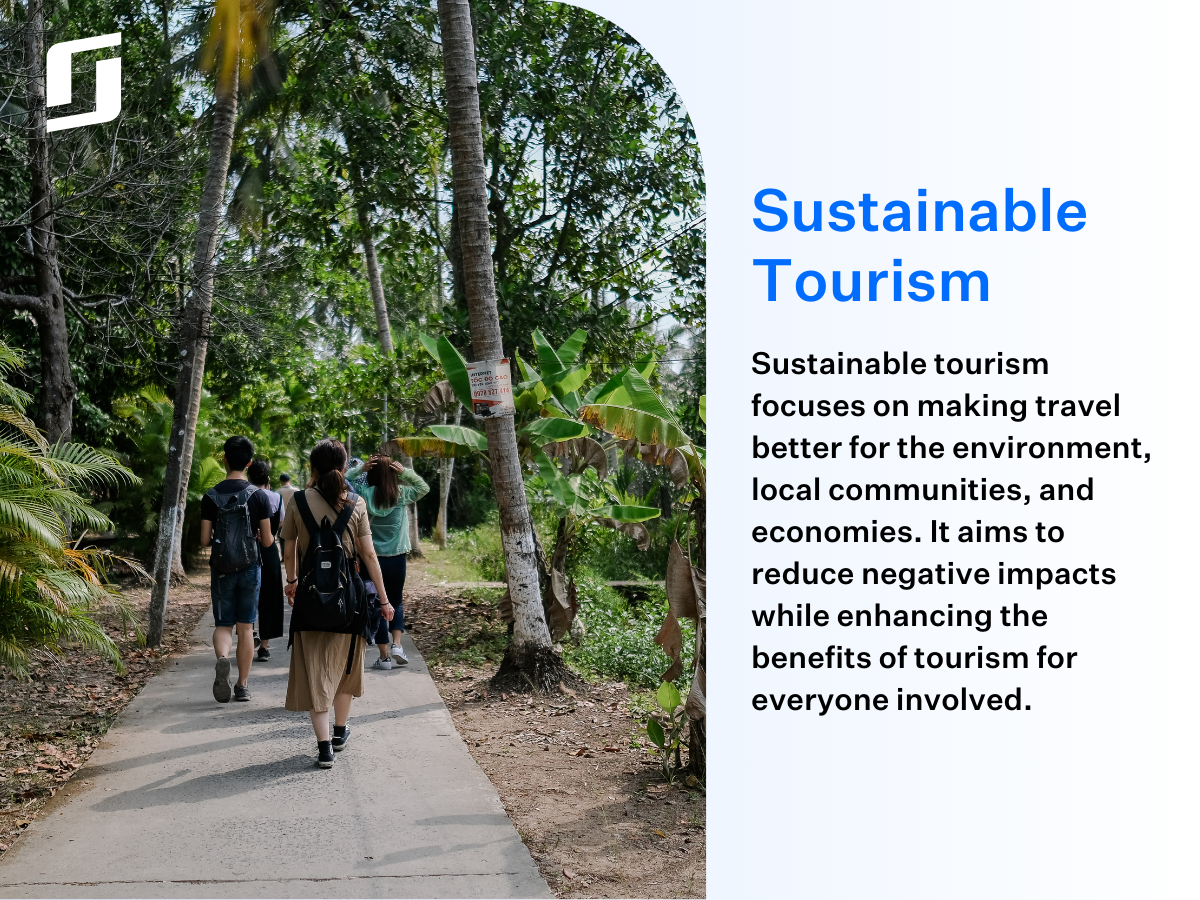
Sustainable tourism involves making travel decisions that prioritize the preservation of natural resources, cultural heritage, and social equity. The United Nations World Tourism Organization (UNWTO) defines it as tourism that “meets the needs of present tourists and host regions while protecting and enhancing opportunities for the future.” In 2026, this means balancing the desire to explore with a commitment to reduce carbon footprints, avoid overtourism, and support local economies.
Why Sustainable Tourism Matters More Than Ever
Recent studies reveal that tourism accounts for nearly 8% of global greenhouse gas emissions in 2026, with transportation and accommodation being the major contributors. Additionally, popular destinations face challenges such as ecosystem degradation, cultural homogenization, and overcrowding. Responsible travelers can help mitigate these issues by adopting sustainable practices.
According to the 2026 Global Sustainable Travel Report by GreenVoyage, 72% of travelers now prioritize eco-friendly options when booking trips, reflecting a growing awareness that every journey has a footprint.
How to Travel Responsibly: Practical Tips for Sustainable Tourism
1. Choose Eco-Friendly Transportation
Transportation is the largest source of carbon emissions in tourism. Opt for low-emission options whenever possible:
- Fly less or fly smarter: Consider trains or buses for regional trips. When flying, select airlines with strong sustainability initiatives and offset your carbon emissions through verified programs.
- Use public transport, bike, or walk: Explore destinations using local transit or by foot to reduce pollution and gain authentic experiences.
2. Support Sustainable Accommodations
Look for hotels, lodges, and hostels certified by trusted bodies such as Green Key, EarthCheck, or Global Sustainable Tourism Council (GSTC). These establishments implement energy-saving technologies, water conservation, and waste reduction initiatives.
Consider staying at locally-owned guesthouses or eco-lodges to boost the local economy and reduce environmental impact.
3. Respect Local Cultures and Communities
Understanding and honoring cultural traditions is key to responsible travel:
- Learn basic phrases in the local language to communicate respect.
- Follow dress codes and etiquette guidelines, especially when visiting religious or sacred sites.
- Engage in community-based tourism initiatives, such as guided tours led by locals or workshops that promote traditional crafts.
4. Minimize Waste and Plastic Use
Plastic pollution remains a critical challenge in tourism hotspots. You can make a difference by:
- Carrying reusable water bottles, bags, and utensils.
- Avoiding single-use plastics and opting for bulk or unpackaged products.
- Participating in local clean-up activities or supporting organizations dedicated to reducing litter in tourist areas.
5. Conserve Water and Energy
Small actions add up. Be mindful of your water and energy consumption when traveling:
- Take shorter showers and reuse towels in hotels.
- Turn off lights, air conditioning, and electronics when not in use.
- Choose accommodations that utilize renewable energy sources.
6. Make Responsible Wildlife Choices
Wildlife tourism can be harmful if not done ethically. Avoid attractions that exploit animals, such as elephant rides or dolphin shows. Instead, support sanctuaries and conservation projects that prioritize animal welfare and habitat protection.
Expert Insights: Voices from the Sustainable Travel Industry in 2026
Dr. Elena Marquez, a leading sustainability consultant, notes, “Travelers in 2026 are more informed and motivated to reduce their environmental impact. The industry has responded with innovations like carbon-neutral airports and regenerative tourism projects. However, true sustainability requires collaboration between travelers, businesses, and governments.”
Linda Choi, CEO of EcoStay Hotels, adds, “Our guests increasingly seek authentic, low-impact experiences. By integrating green building practices and supporting local communities, we create value that goes beyond profit — it helps preserve destinations for future generations.”
Future Trends in Sustainable Tourism
Looking ahead, several trends are shaping sustainable travel in 2026 and beyond:
- Regenerative Tourism: Going beyond sustainability, regenerative travel focuses on leaving destinations better than before by restoring ecosystems and empowering communities.
- Technology-Driven Transparency: Blockchain and AI are being used to track and verify sustainability claims, helping travelers make informed choices.
- Personalized Low-Impact Travel: Customized itineraries designed to minimize environmental footprint while maximizing cultural immersion.
Conclusion: Your Role in Sustainable Tourism
Every traveler holds the power to influence tourism’s impact on the planet and societies. By making conscious decisions—from transportation to accommodation, cultural respect to waste reduction—you contribute to a global effort ensuring that the joy of discovery does not come at the expense of the environment or local communities.
As you plan your next adventure in 2026, remember that sustainable tourism is not just about preserving places; it’s about nurturing connections and creating meaningful, responsible experiences that honor both people and the planet.
Travel well, travel wisely.