Ultimate Guide to Planning a Road Trip Across Europe in 2026
Introduction: Why a European Road Trip in 2026?
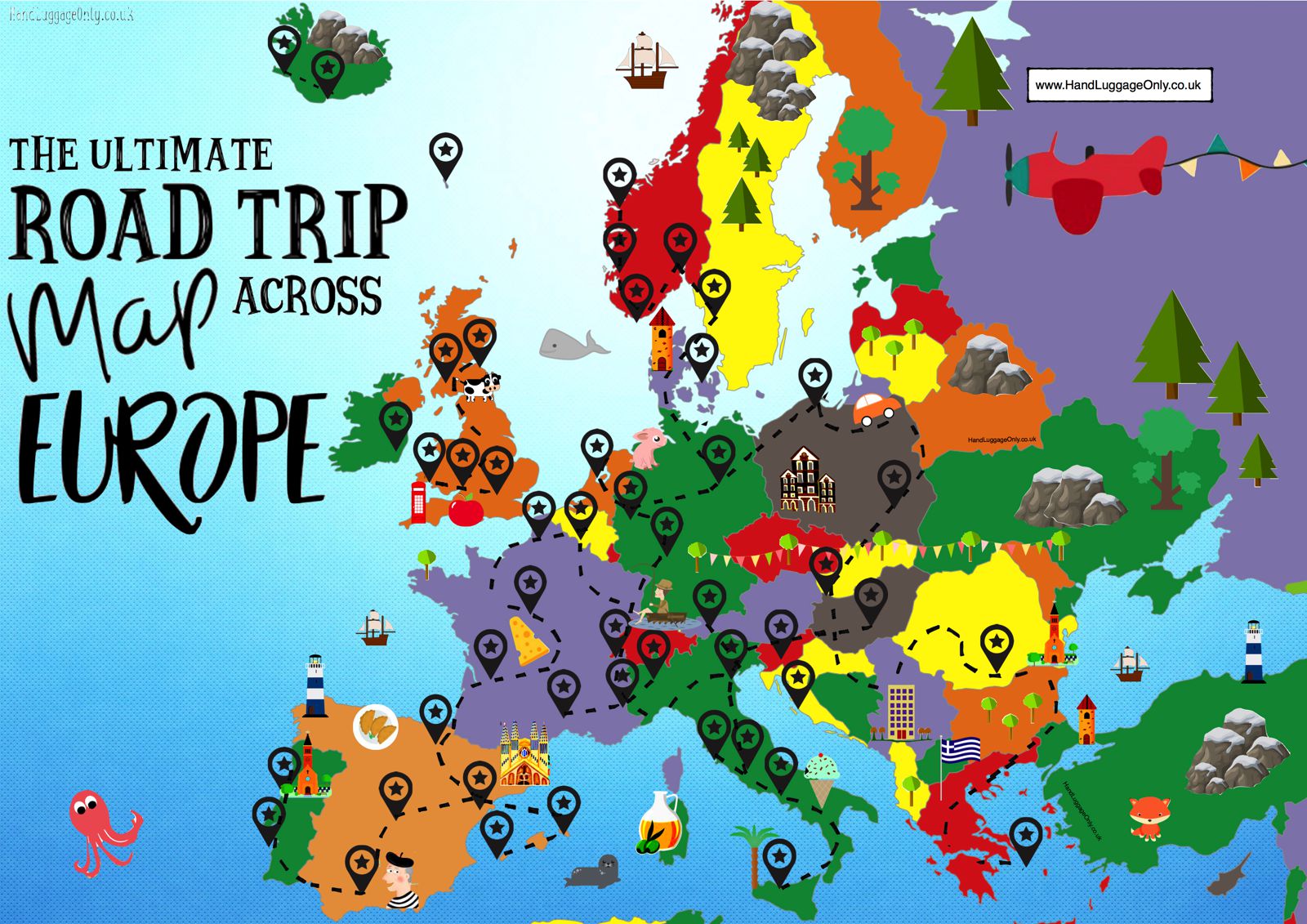
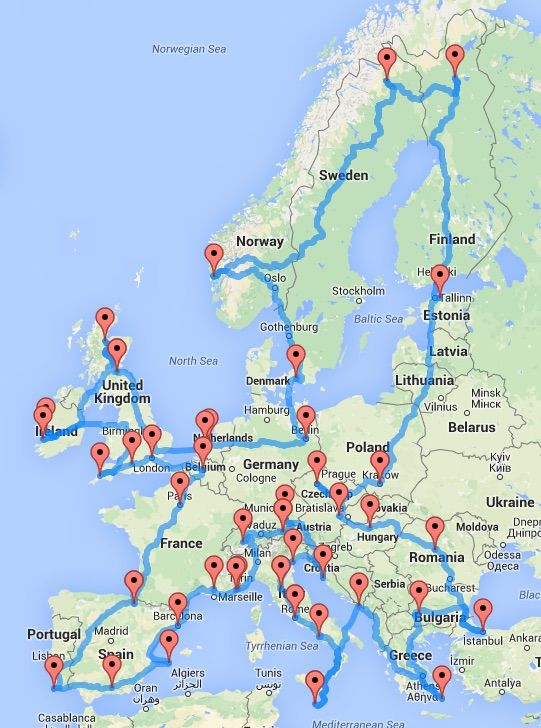
Europe remains one of the world’s most diverse and captivating destinations for travelers seeking an immersive experience. In 2026, road trips across Europe are more accessible and appealing than ever, thanks to advances in infrastructure, updated travel regulations, and the latest technology that makes planning seamless. Whether you’re drawn to the romantic coastlines of the Mediterranean, the historic towns of Central Europe, or the rugged beauty of Scandinavia, a road trip offers unmatched flexibility and freedom. This guide will walk you through how to plan a memorable European road trip step-by-step, ensuring you make the most of your 2026 adventure.
Choosing the Route: Mapping Your Dream European Road Trip
Before you hit the gas, deciding on your route is crucial. Europe’s extensive highway network, including the renowned Trans-European Transport Network (TEN-T), connects most major cities efficiently. Popular routes include:
- The Classic Western Europe Loop: Paris – Brussels – Amsterdam – Cologne – Luxembourg
- The Mediterranean Coastline: Barcelona – Nice – Genoa – Rome – Dubrovnik
- The Alpine Adventure: Munich – Innsbruck – Zurich – Milan
- The Nordic Expedition: Copenhagen – Stockholm – Oslo – Bergen
Consider how long you want to drive daily. Experts recommend limiting driving to 4-6 hours per day to avoid fatigue and enjoy stops along the way. Use interactive map tools like Google Maps or specialized apps like Roadtrippers for real-time route customization and to discover hidden gems.
Pro Tip: Consider Off-Peak Travel
Driving in Europe during shoulder seasons (May-June or September-October) in 2026 means fewer crowds, lower accommodation costs, and more pleasant weather, especially in southern regions.
Vehicle Selection: Rent or Bring Your Own?
Choosing the right vehicle is vital for comfort, budget, and the type of trip you envision.
Renting a Car in Europe
Rental prices have become more competitive in 2026 due to increased fleet efficiencies and diverse options. Popular rental agencies now offer electric and hybrid vehicles in major European cities, reflecting Europe’s growing focus on sustainability. When renting:
- Book early for best deals, especially if you want eco-friendly models.
- Check cross-border policies to ensure your rental agreement allows travel across multiple countries.
- Consider insurance options; basic CDW (Collision Damage Waiver) may not cover all scenarios.
Bringing Your Own Car
If you prefer to drive your own vehicle, verify:
- Compliance with European emission standards.
- Required safety equipment (e.g., high-visibility vests, warning triangles) varies by country.
- International driving permits and insurance coverage.
Documentation and Legalities: What You Need in 2026
Travel regulations have evolved with ongoing changes in the EU and neighboring countries. To stay compliant:
- Driving License: A valid EU or international driving permit (IDP) is often required. In 2026, most countries recognize the 1968 Vienna Convention IDP.
- Vehicle Registration and Insurance: Carry originals or digital copies. Green Card insurance is recommended for non-EU vehicles.
- Vignettes and Tolls: Many countries require road toll stickers or electronic toll passes. For example, Switzerland requires a vignette, while France and Italy use toll booths. Consider purchasing a universal toll tag like the European Electronic Toll Service (EETS) for convenience.
- Emission Zones: Low Emission Zones (LEZ) are expanding across European cities in 2026. Check city-specific requirements to avoid fines, and consider renting vehicles with low emissions for urban driving.
Packing Smart: Essentials for Your European Road Trip
Packing efficiently can significantly influence your driving comfort and enjoyment.
Must-Haves
- GPS device or smartphone with offline maps to account for spotty mobile coverage.
- Power adapters for charging devices compatible with European plugs (Type C, E, or F).
- Safety kit including first aid, flashlight, and basic tools.
- Comfort items like neck pillows, sunglasses, and reusable water bottles.
Clothing
Europe’s weather varies, especially when crossing regions. Layered clothing is advisable, and always pack a waterproof jacket. In 2026, sustainable travel gear is trending, so consider eco-friendly fabrics.
Accommodation Planning: Where to Stay on the Road
Europe offers an extensive range of accommodation options:
- Hotels and Hostels: Book in advance using platforms like Booking.com or Hostelworld, which now feature AI-based personalized recommendations.
- Airbnb and Vacation Rentals: Great for longer stays or larger groups, often with kitchen access.
- Camping and Glamping: The rise of “green” camping sites provides immersive nature experiences with eco-friendly amenities.
- Roadside Inns and Guesthouses: Ideal for authentic local flavor and shorter stays.
Try to align overnight stops with major attractions to maximize sightseeing. Apps like Google Trips and TripIt can help organize reservations and trip details.
Food and Fuel: Budgeting Your Essentials
Fuel costs vary by country and can significantly affect your budget. As of 2026:
- Average gasoline prices in Western Europe hover around €1.70 per liter, with diesel slightly cheaper.
- Electric vehicle charging stations are widespread, with many fast-charging hubs along highways.
For food, European roadside rest stops offer diverse options. To save money and experience local culture, stop at markets or small-town eateries. Apps like Yelp and TripAdvisor can guide you to top-rated local spots.
Safety and Driving Tips for Europe in 2026
Driving in a foreign country requires attentiveness. Keep these tips in mind:
- Understand local traffic laws; speed limits and right-of-way rules vary.
- Watch for frequent changes in road signage languages, especially in border areas.
- Avoid driving at night in rural areas due to wildlife hazards.
- Stay updated on weather conditions via apps like MeteoBlue, especially in mountain regions.
Technology and Apps to Enhance Your Road Trip
Leverage modern technology for a smoother journey:
- Navigation: Waze and Google Maps remain top choices, but in 2026, AI-driven apps offer predictive traffic insights and personalized route suggestions.
- Fuel and Parking: Apps like Parkopedia and GasBuddy help find the cheapest fuel and available parking spots.
- Language Assistance: Real-time translation apps like Google Translate augmented by AI help break down language barriers.
- Expense Tracking: Use apps like Splitwise to manage shared travel costs easily.
Final Thoughts: Embrace the Journey
Planning a road trip across Europe in 2026 is about balancing preparation with spontaneity. With improved infrastructure, increased sustainability efforts, and cutting-edge technology, traveling by road is now more rewarding than ever. Remember to pace yourself, immerse in local cultures, and embrace the unexpected discoveries along the way. Europe’s roads are calling—pack your bags, start your engine, and embark on the adventure of a lifetime!